




Some of this month’s most sought-after headphones don’t have noise canceling, Bluetooth, an app or a battery. Sony’s MDR-3R is a $59.99 remake of the foam-padded on-ears that came with the first Walkman in 1979, swapped from a headphone plug to USB-C. Sony told 9to5Google the first batch sold out in 10 hours on launch day. The reviews explain the appeal and the catch: they weigh almost nothing, and they have almost no bass.
Key points
- Sony’s $59.99 MDR-3R is a USB-C remake of the featherweight on-ear headphones that shipped with the first Walkman in 1979, with a mic and in-line remote added.
- Sony told 9to5Google the first batch sold out in 10 hours; on Saturday afternoon, Nov. 21, Sony’s U.S. store and Amazon both showed it out of stock or unavailable.
- Reviewers at The Verge, Business Insider, eCoustics and 9to5Google liked the comfort and sound for the money, while SoundGuys’ lab gave its audio quality a 3.2 out of 5.
- Every reviewer flagged weak deep bass, most noted the open design blocks little outside noise, and SoundGuys couldn’t get it working with a Galaxy S24.
What Sony actually rebuilt
Sony announced the MDR-3R on Nov. 5 and says it was “re-engineered with the same 23 mm driver units” as the original, using the old design specifications, with “subtle refinements” for modern tastes. A footnote in the release clears up a bit of Walkman trivia: “MDR-3” is Sony’s umbrella name for three models, and the pair actually bundled with the TPS-L2 Walkman in 1979 was the MDR-3L2.
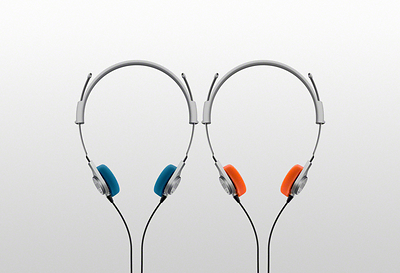
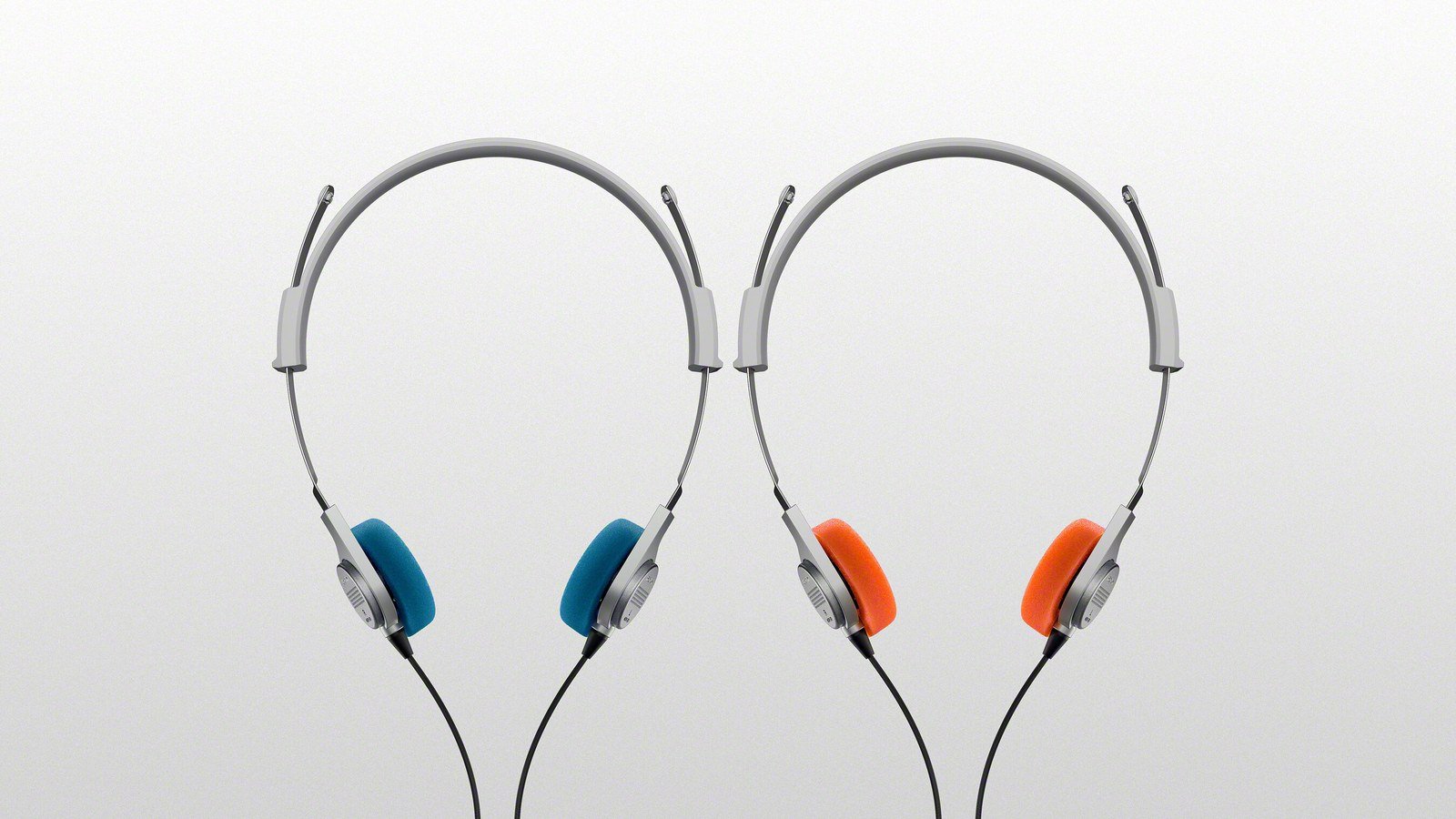
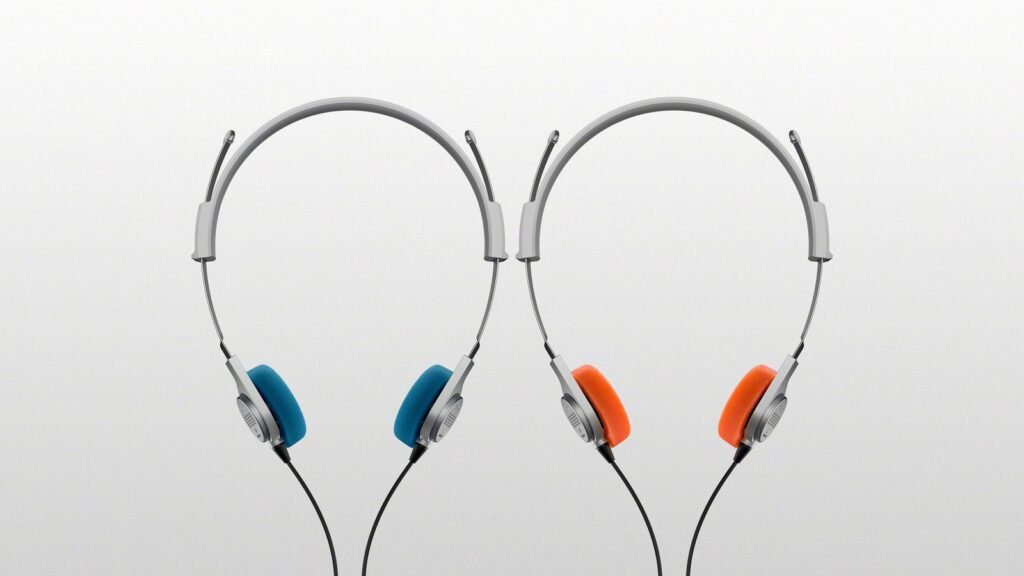
The changes are all in the cord. The 1.2-meter Y-shaped cable ends in USB-C instead of a 3.5mm plug, it isn’t removable, and it carries a microphone and a play/pause and volume remote. Sony’s spec sheet lists an open-air design, neodymium magnets and a weight of about 38 grams without the cable. Both blue and orange foam pads come in the box. SoundGuys notes there’s no water or dust resistance rating.
Because there’s no analog plug, the headphones carry their own digital-to-analog converter and amplifier. eCoustics reports it as a 16-bit/48kHz DAC and lists 32 ohms and a 20Hz to 20kHz frequency response, noting Sony hadn’t published a sensitivity figure. Sony says the MDR-3R works with “USB Audio Class 1.0 devices” and adds a line worth savoring: “Use with a Walkman is not recommended.” SoundGuys explains why: because the converter is inside the headphones, Sony’s modern Walkman music players “will not work the way you expect them to,” likely giving full output by default or “odd behavior.”
One spec reviewers disagree on
Weight is the headline feature, and the coverage doesn’t agree on it. Sony says about 38 grams without the cable. The Verge repeats 38 grams and says that’s 2 grams lighter than the MDR-3L2; Business Insider puts it at 1.3 ounces against 1.4 for the original, which is the same thing in imperial units. eCoustics says the MDR-3R “weighs just 75 grams.” It doesn’t say whether that includes the fixed cable and remote, which Sony’s figure leaves out. We couldn’t confirm a with-cable weight from Sony, so treat 38 grams as the headphones alone.
What the reviewers heard
At least five outlets have published hands-on reviews. Here’s how their verdicts line up:
| Outlet (reviewer) | Sound | Main complaints |
|---|---|---|
| The Verge (John Higgins) | Clear vocals, open highs | Upper-midrange peak over-sharpens snare drums; bass drops off; no isolation in traffic |
| Business Insider (Steven Cohen) | “Very solid audio quality for what they are” | Some shrill highs at high volume; build feels “a bit cheap and fragile”; leakage; wishes they were $40 |
| eCoustics (W. Jennings) | Clear mids, punchy mid-bass, “polite” treble | Bass rolls off “fairly steeply below approximately 70Hz” |
| 9to5Google (Ben Schoon) | “Crisp and clear and pretty neutral” | Weak lows; cable a few inches short; remote sits too high |
| SoundGuys (Christian Thomas) | Lab audio quality 3.2 out of 5; overall 6.3 | “Extreme lack of bass emphasis”; treble peak near 5kHz; no isolation |
The split is mostly about expectations. The four listening-based reviews judge the MDR-3R as a $60 nostalgia piece and find it better than they expected. SoundGuys also measured it in its lab, where it beat only 13% of the headphones the site has measured on audio quality. Its reviewer found punk records from the era “almost painfully treble-heavy,” while eCoustics called the same treble polite. That’s a real disagreement, and fit may explain some of it: on-ears that don’t seal lose bass, and SoundGuys said it couldn’t get a great measurement despite extended lab testing.
The trade-offs come up again and again. The open design leaks sound and blocks little outside noise; SoundGuys likens it to “a permanently-on transparency mode.” It also rated comfort 9 out of 10, better than 94% of on-ears it has tested, and said the mic is good in quiet rooms but weak at rejecting noise.
The USB-C catch
“Plug and play” is mostly true. eCoustics says the MDR-3R worked right away with a Windows 11 PC, MacBook, iPad, iPhone 17, Chromebook and Galaxy S25+, and 9to5Google says it worked on every device it tried, including a Pixel. But SoundGuys says it couldn’t get the headphones working with a Galaxy S24, and Business Insider had to push the volume higher on its Android phone than it would with wireless headphones. Sony’s own footnote warns that some devices may need settings changes or “some functions may not work properly.” If you’re buying for an older phone, keep the receipt.
Price, value and availability
The silver model is $59.99. The Stranger Things Edition, with a black headband, red and black pads, an engraved logo and custom packaging, is $79.99, so the tie-in adds $20 for the cosmetic changes Sony lists. SoundGuys argues $59.99 is already high for the sound you get and points to the Koss Porta Pro, which it lists at $59, the JLab Rewind Wireless Retro at $24, and FiiO and Moondrop on-ears as better values. eCoustics, by contrast, calls the price low enough for “an impulse purchase.”
Getting a pair at that price is the harder part. 9to5Google said Nov. 20 that the headphones were back in stock and “shipping in early December,” and warned against scalpers “selling these at double.” When we checked Saturday afternoon, Nov. 21, Sony’s U.S. store showed both versions out of stock, Amazon listed the silver model as currently unavailable, and the Stranger Things Edition was temporarily out of stock. eCoustics reports Sony is also bringing back replacement pads in four colors that fit the originals, but Business Insider said it saw none listed, and we couldn’t confirm a U.S. price.
Who should buy it, and who should skip it
Consider it if you want the lightest headphones you can find for home, desk or quiet walks, you like hearing the room around you, and your phone or laptop handles USB-C audio. The mic and remote make it a decent cheap call headset, and if you’re a Walkman-era nostalgic or a Stranger Things fan, the design is the point.
Skip it if you ride transit, fly or work in a loud office: there’s no isolation, and people nearby will hear your music. Skip it if you want bass, if you need a 3.5mm plug or Bluetooth, or if you own a Galaxy S24 and can’t return it easily. And don’t pay scalper prices; even reviewers who loved it said it isn’t worth double.
The takeaway
The MDR-3R is a faithful, cheap and very light remake, and that’s exactly why it sold out. It isn’t a hidden audiophile bargain: the lab numbers and the reviewers’ own complaints point the same way, toward thin bass and zero isolation. What to watch is whether Sony keeps it in stock past early December, whether replacement pads actually show up for sale in the U.S., and whether Sony publishes a compatibility list for phones like the Galaxy S24 that reviewers couldn’t get working.
Hype in. Signal out.
Lead image: the Sony MDR-3R shown with its blue and with its orange earpads. Sony Electronics press photo distributed with its Nov. 5, 2026 press release (original file); PR Newswire says release photos are for editorial use only (PR Newswire for Journalists FAQ). Cropped to 16:9 and resized.