




Nvidia wants you to buy a computer that never sleeps. Its RTX Spark chip, which landed in Windows laptops in October, is now in small desktops from ASUS, MSI and Dell that Nvidia pitches as dedicated boxes for AI agents that run around the clock. They start at $4,399. That’s about $100 more than Microsoft charges for a Surface Laptop Ultra with the same 20-core chip, the same 64GB of memory and, unlike the desktops, a screen, keyboard and battery.
Key points
- ASUS, MSI and Dell now sell compact Windows desktops built on Nvidia’s RTX Spark chip, which Nvidia pitches as always-on boxes for local AI agents.
- Prices start at $4,399 for MSI’s 64GB EdgeMesa N AI+ after a $300 cut, while ASUS’s ProArt GR1X starts at $4,499 and Dell sells only 128GB versions from $7,034.
- Windows Central measured up to 21.9% faster AI image generation than a Surface Laptop Ultra with the same chip, but only about 5% more multi-core CPU speed.
- Reviewers flagged high prices, all-rear USB-C ports with no USB4, Windows on Arm app gaps and no official Linux support.
What these boxes are
Every RTX Spark desktop uses the same chip: a 20-core Arm-based Nvidia Grace processor and a Blackwell RTX graphics chip with 6,144 CUDA cores, sharing up to 128GB of memory. Nvidia says the systems deliver “up to 1 petaflop of AI performance,” a figure the makers specify as FP4, a low-precision number format used for AI math. Nvidia also says they can run 120-billion-parameter language models locally. Those are company claims, not test results. All of them run Windows 11 on Arm and have 10-gigabit Ethernet.
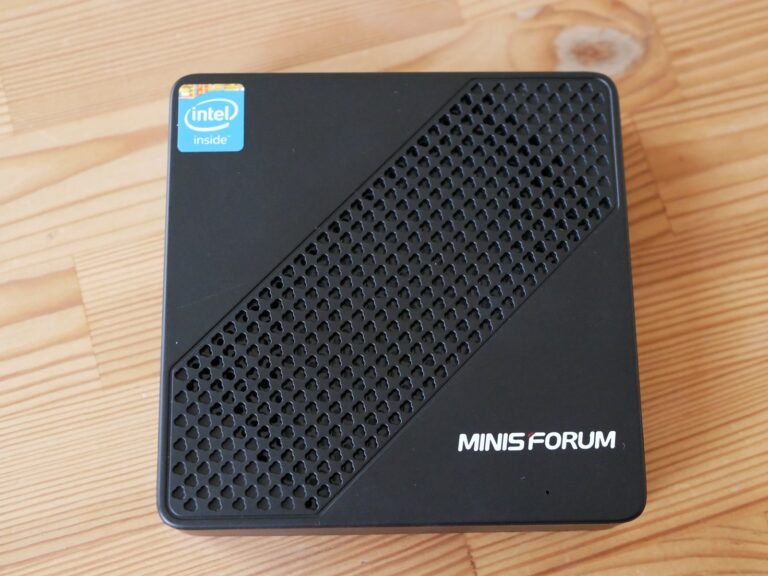
The difference from the laptops is power. Windows Central says the desktop chip runs at up to 140 watts, against an 80-watt maximum in laptops, and the boxes are small: ASUS lists the ProArt GR1X at 150 x 150 x 51 mm and 1.48 kg, and MSI’s EdgeMesa N AI+ is about the same footprint. Nvidia says ASUS, Dell and MSI models are on sale now, with Acer, GIGABYTE and HP mini PCs “coming soon,” along with Microsoft’s Surface RTX Spark Dev Box.
What they cost, and where the math gets strange
Here’s what each maker listed when we checked on Friday afternoon, Nov. 20, next to Microsoft’s laptop with the full 20-core chip:
| Model | Memory / storage | Price | Status (Nov. 20) |
|---|---|---|---|
| MSI EdgeMesa N AI+ | 64GB / 1TB | $4,399 | In stock at MSI |
| MSI EdgeMesa N AI+ | 128GB / 4TB | $7,499 at MSI; $7,499.99 on Amazon | Out of stock at MSI; Amazon quotes Dec. 7 to 27 delivery |
| ASUS ProArt GR1X | From 64GB / 1TB | From $4,499 | “Notify me” on ASUS’s US store |
| Dell Creator Edition Desktop | 128GB / 1TB or 2TB | $7,034 or $7,464 | Orderable; Dell quotes delivery by Dec. 9 |
| Microsoft Surface RTX Spark Dev Box | 128GB / 2TB | $5,999.99 | Pre-order |
| Surface Laptop Ultra (20-core, laptop) | 64GB / 1TB; 128GB | About $4,300; about $5,900 | Engadget’s prices |
Three things stand out. First, MSI has already cut its prices. Notebookcheck reports the EdgeMesa N AI+ went on sale Nov. 11 at $4,699, then dropped $300 to $4,399 once ASUS launched at $4,499; How-To Geek says the 128GB model fell from $7,999 to $7,499 the same week. Second, at 64GB the desktops cost about what the laptop does, so the screen, keyboard and battery are effectively free with the laptop. Third, at 128GB the desktops cost more than the laptop: Dell’s 1TB box is about $1,100 above Engadget’s $5,900 laptop price, and MSI’s 4TB model about $1,600 more, though it carries four times the storage. If you want 128GB in a box, Microsoft’s $5,999.99 Dev Box is the cheapest listed path, but it hasn’t shipped yet.
Windows Central puts the desktop premium at “a full $700” over RTX Spark laptops. That depends on which laptop you compare: a cheaper 18-core laptop with 24GB costs far less, while a like-for-like 20-core, 64GB Surface is within about $100 to $200 of the 64GB desktops.
What the reviewers measured
Windows Central’s Zac Bowden and Cale Hunt tested two ProArt GR1X units (64GB and 128GB) against Bowden’s earlier results from a 128GB Surface Laptop Ultra. The CPU barely moved: Geekbench 7 and Cinebench 2026 multi-core scores rose about 5%, and single-core scores were flat or slightly lower. The graphics chip gained more. 3DMark results were up to 13.3% higher, AI text generation 10.6% to 13.1% faster, and Stable Diffusion XL image generation 21.9% faster, cutting about five seconds per image (20.55 seconds versus 25.05 on the laptop).
They liked the design and the cooling: the box stayed under 55 decibels in a stress test, “about as loud as a regular conversation,” and didn’t throttle. Their complaints were ports and price. Every port is on the back, the USB-C ports are “jammed together,” there’s no USB-A or SD card reader, and the USB-C ports top out at 20Gbps rather than USB4’s 40Gbps. They don’t recommend it as a gaming PC.
How-To Geek’s Patrick Campanale spent a week running the 128GB MSI as a headless home AI server and called it “brilliant as a headless AI server, frustrating as a daily desktop.” He ran two local Qwen models at once with memory to spare, and says the GPU can address up to 105GB. Against an AMD Strix Halo mini PC, he found text generation close (gpt-oss-120b at 56.3 tokens per second versus 55) but image generation much faster on the Nvidia box (21.9 seconds per SDXL image versus 37.7). His catches: Windows on Arm meant he couldn’t make it his main desktop, some games’ anti-cheat won’t run, there’s no official Linux option, and with no USB4, Thunderbolt or second network port, the boxes can’t be linked together to run larger models the way Nvidia’s DGX Spark can over its 200G link.
The memory-speed catch
Unified memory is the selling point: big models fit in one pool instead of a graphics card’s smaller stash. But capacity isn’t speed. MSI’s store lists memory bandwidth at 273 GB/s, and ASUS says “up to 300GB/s.” How-To Geek notes that’s a small fraction of the roughly 1.8 TB/s on an RTX 5090, which has only 32GB of memory. In practice, that means large models fit but run slower than on a high-end graphics card; Campanale saw about 23 tokens per second in real agent use. These are machines for running big models patiently, not for chasing speed.
Who should buy one, and who should skip it
Consider one if you already run local AI models or agents, want a quiet machine that stays on all day without tying up your laptop, and your tools work on Windows on Arm with Nvidia’s CUDA. Image generation is where reviewers measured the clearest gains.
Skip it if you want a gaming PC, need x86-only apps or Linux, or plan to cluster several boxes. Skip it if you’d rather have a laptop: at 64GB, the Surface Laptop Ultra costs about the same and travels. And if you just want to try local AI, a cheaper machine with less memory will tell you whether you need any of this before you spend $4,399.
The takeaway
RTX Spark desktops aren’t much faster than the laptops on everyday work. What you pay for is a cooler, quieter box that can run an AI agent all day, plus up to roughly 22% more speed on the GPU jobs reviewers tested. That’s a real niche. It’s also a crowded one now that MSI has cut both of its prices within a week of launch and Acer, GIGABYTE, HP and Microsoft haven’t shipped theirs. Watch whether prices fall further before the holidays, whether Microsoft’s Dev Box arrives on time, and Windows Central’s promised Mac Studio comparison.
Hype in. Signal out.
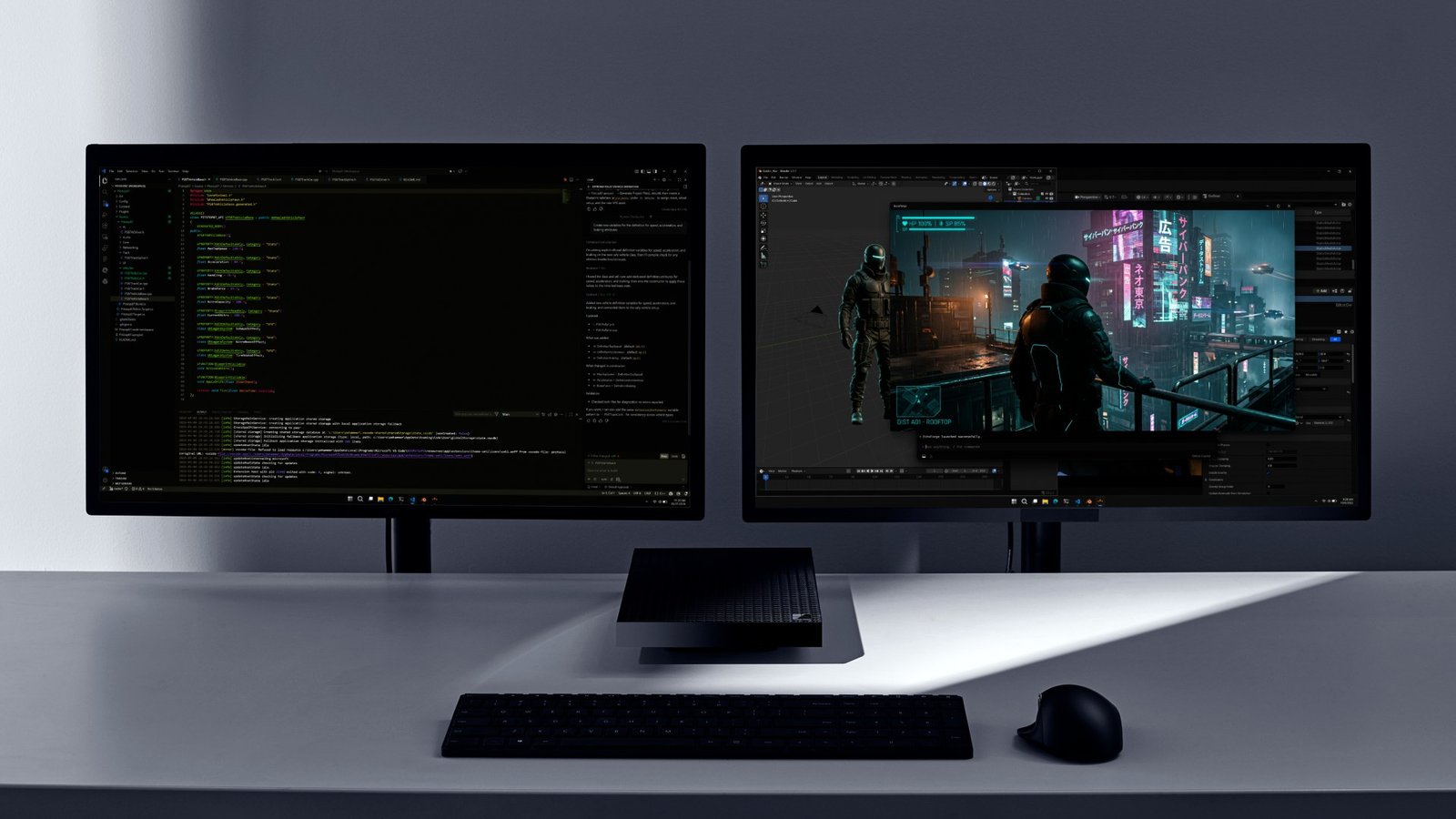
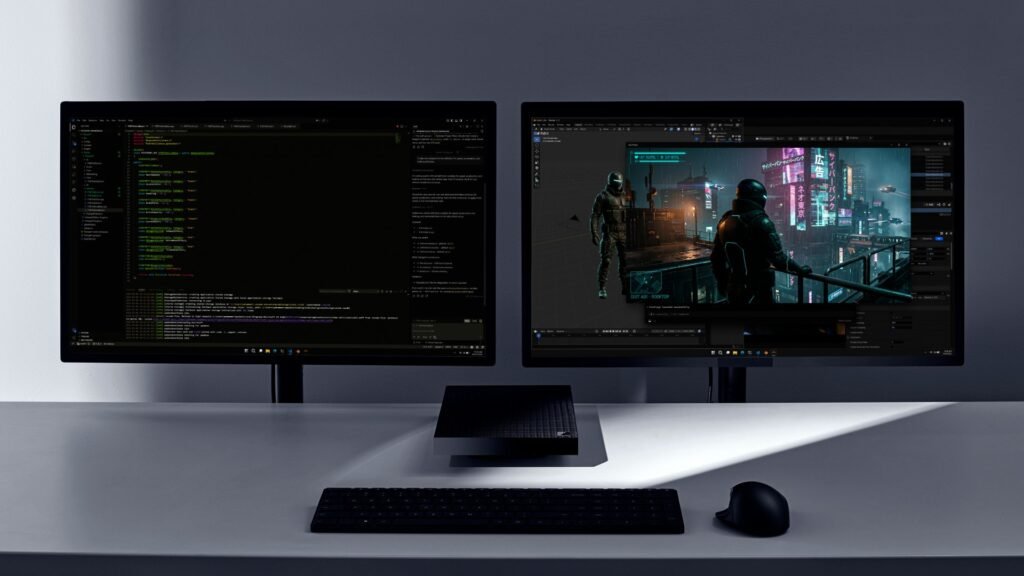
Lead image: Microsoft’s Surface RTX Spark Dev Box, not the ASUS, MSI or Dell models reviewed here. Microsoft press image from its October 2026 Windows and Surface news page, used for editorial purposes under Microsoft’s press image terms; resized.